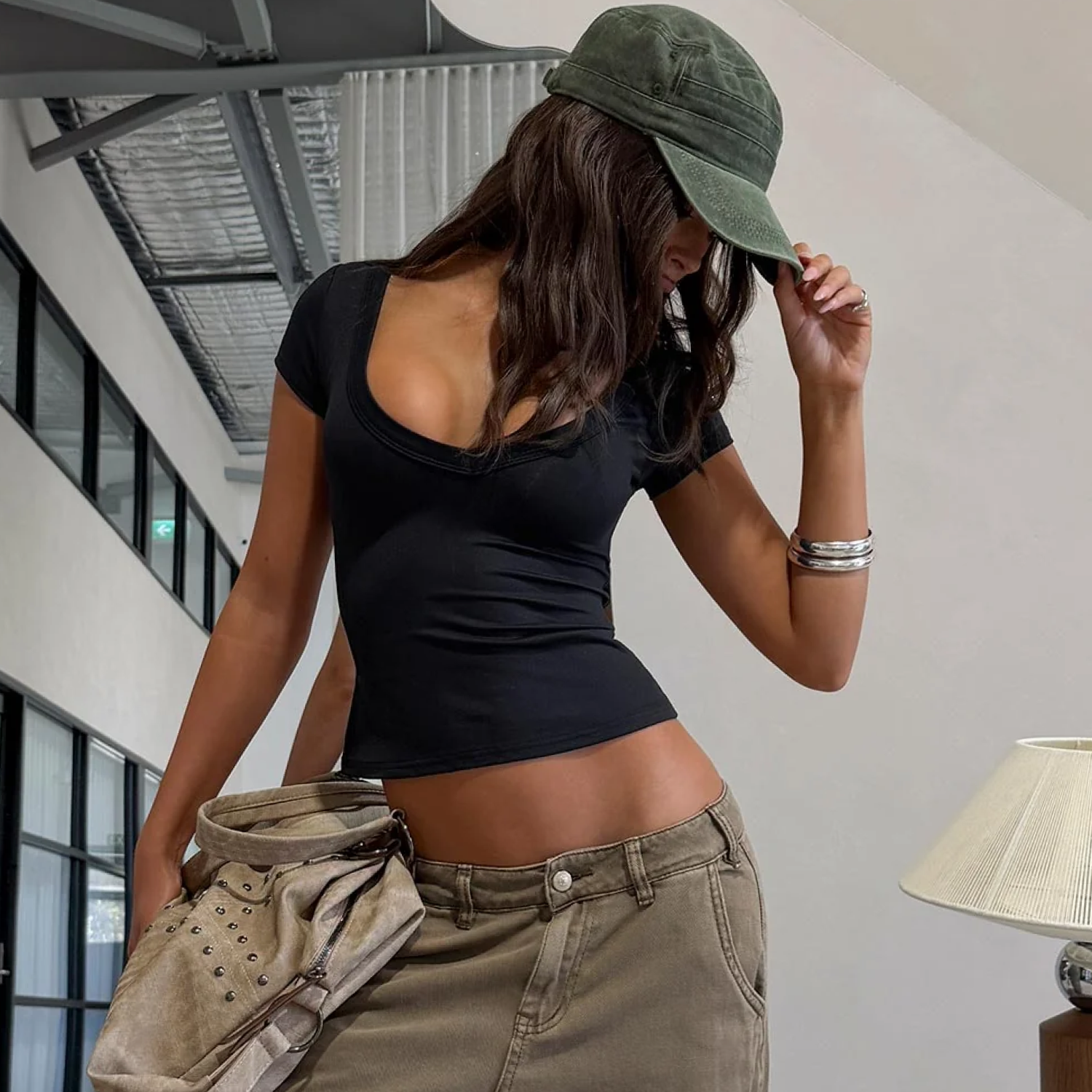
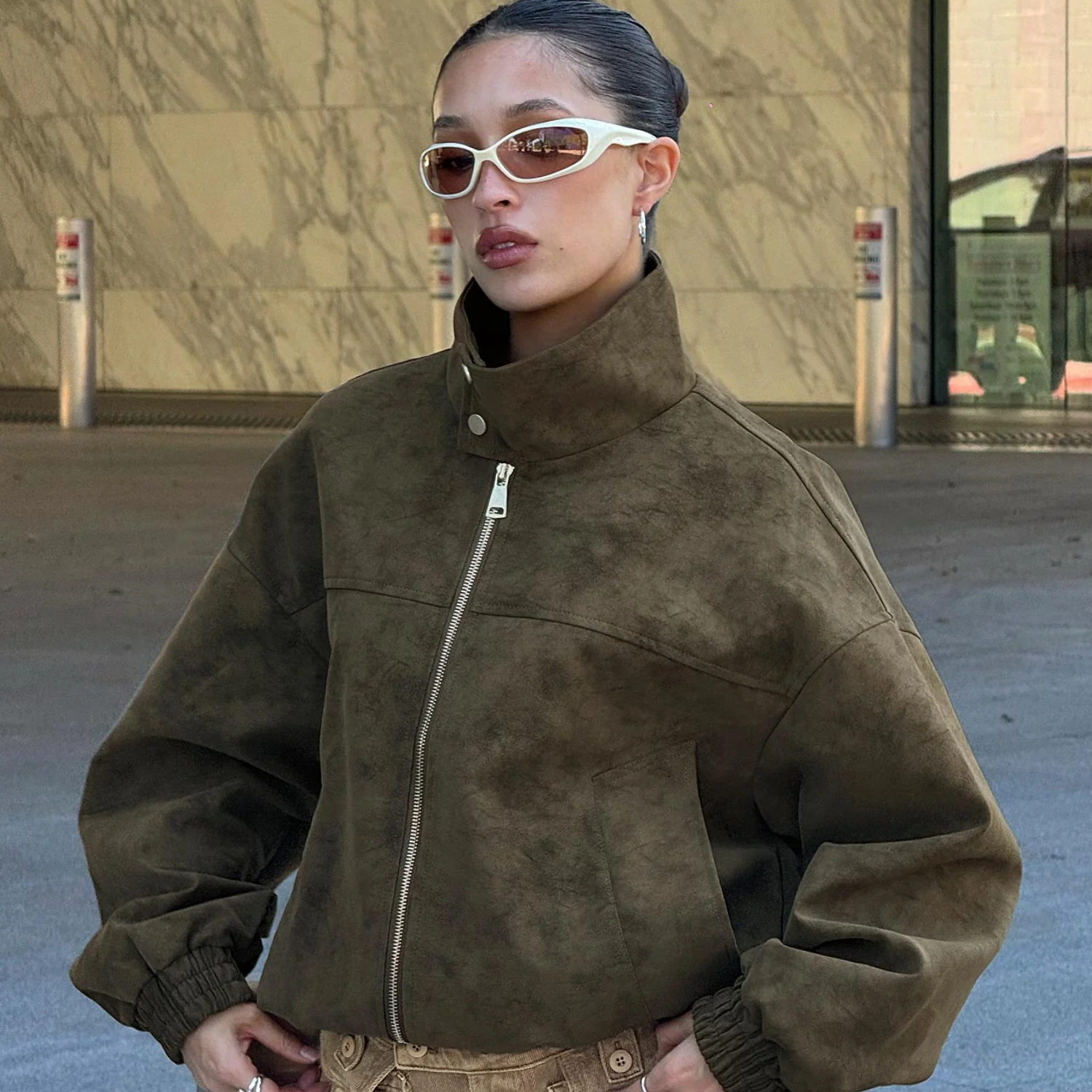
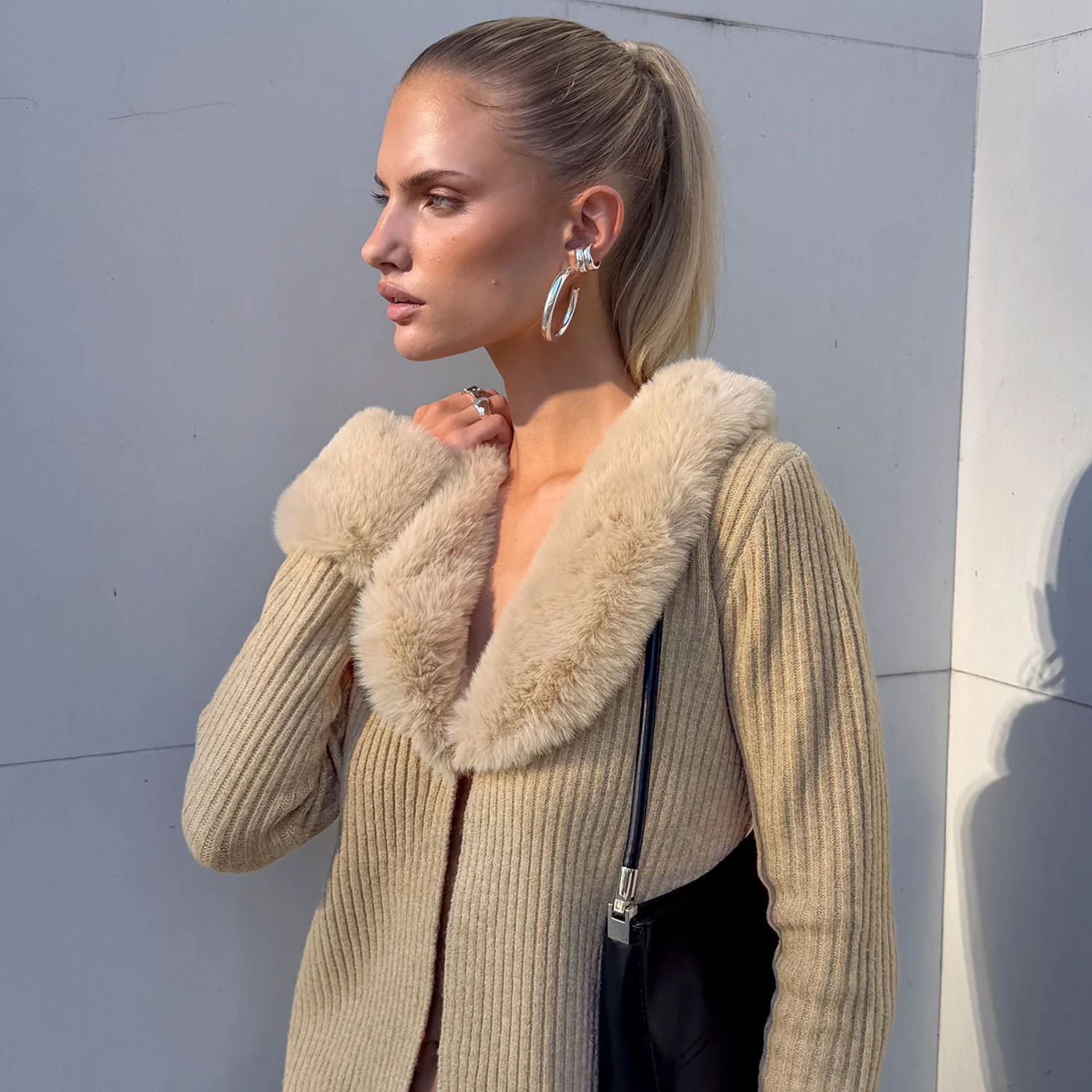
The Ultimate Autumn Color Palette Guide for 2026
What Is the Autumn Color Palette
The autumn color palette is where warm, earthy shades get their moment, from rust and olive to camel, burgundy and chocolate brown. Within that palette, there’s a spectrum of softness, depth, warmth and intensity, which is what separates the different Autumn subtypes!
If you already know you’re an Autumn, keep reading to find your subtype and the colors, outfit ideas and styling tips that work best within the Autumn palette. If you’re still figuring it out, we’ll also cover the key signs that can help you spot whether Autumn is your season.
Autumn colors to know:
- Rust
- Olive
- Mustard
- Burgundy
- Camel
- Chocolate brown

The Autumn Color Subtypes Explained
What are the 4 types of Autumn?
The four Autumn color types are Soft Autumn, Deep Autumn, True Autumn and Warm Autumn. They all sit within the same warm, earthy family, but each one shifts slightly in depth, saturation, contrast and warmth.
Some color-analysis systems use three core Autumn subtypes, while others separate out a fourth variation. For this guide, we’re using four to make the differences a little easier to spot.
Here’s the quick read: Soft Autumn is muted and low-contrast, Deep Autumn is darker and more intense, True Autumn is rich and saturated, and Warm Autumn leans the most golden and purely warm. Same season, different energy!
Soft Autumn Color Palette
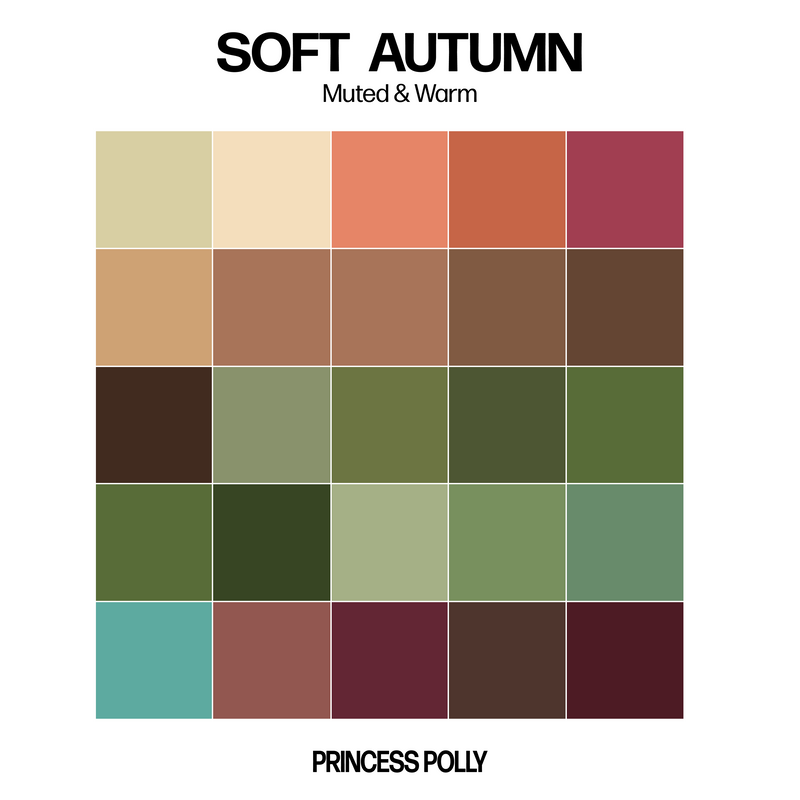
Soft Autumn is the most muted and low-contrast of the Autumn color types, blending warm undertones with softer, slightly dusty shades. Think sage, dusty rose, taupe, muted terracotta, soft camel and dusty turquoise rather than anything too bright or saturated. The overall effect is blended rather than high-contrast, so nothing feels super sharp or intense.
When styling Soft Autumn, reach for soft gold accessories, plus warm, muted shades in your clothing. Highly saturated brights, icy tones and strong contrast can feel a little too harsh against this softer palette.
The easiest way to tell Soft Autumn apart? Mutedness is the moment. It’s warmer than Summer, but softer and less saturated than the other Autumn palettes.
Deep/Dark Autumn Color Palette
Deep Autumn, also called Dark Autumn, takes the warmth of the Autumn palette into its darkest, richest territory. Think espresso, deep rust, hunter green, aubergine, dark teal and deep mustard.
This subtype usually has a warm undertone with more depth and contrast than the others, often showing up through deep brown or auburn hair, dark brown or hazel eyes. The overall effect is more defined and intense, which is why Deep Autumn can sometimes be confused with Winter.
The key difference is depth not coolness. Deep Autumn can handle near-black neutrals and richer shades, but the palette still stays warm rather than icy or blue-based.
For styling, lean into bronze, antique gold and darker warm tones, and skip pale pastels or anything too light and airy.

True Autumn Color Palette
True Autumn is the richest, most saturated take on the Autumn palette, built around warm, golden, earthy shades like burnt orange, olive, mustard, warm burgundy and deep gold. It has more intensity than Warm Autumn, without going as dark as Deep Autumn.
The easiest way to tell True Autumn from Warm Autumn is saturation. True Autumn pushes everything into a deeper, more concentrated range, while Warm Autumn stays lighter and more golden. Think rust over pumpkin, deep gold over marigold.
For accessories, antique gold and bronze are your go-tos. Washed-out pastels, icy brights and cool-toned shades can feel too soft against this palette.

Warm Autumn Color Palette
Warm Autumn is the most purely warm of the Autumn color types, with golden, sun-baked shades that feel rich without going too dark. Think pumpkin, marigold, camel, copper, warm olive and rust.
The overall look is warm and clear, with medium contrast rather than anything too soft or dramatic.
The easiest way to spot Warm Autumn? Warmth comes first. Unlike Soft Autumn, there’s no muted grayness; unlike Deep Autumn, there’s no extra darkness; and compared with True Autumn, the colors feel a little lighter and more golden.
For styling, gold and copper are an easy yes, while icy pastels, stark white and cool blue-based shades can fight against the warmth of the palette. Basically, if it looks golden or toasted, you’re on the right track.

How do I tell if I'm an Autumn?
You’re likely an Autumn if your skin undertone, hair and eye colors naturally lean warm, golden and earthy, and shades like camel, olive, rust and cream tend to suit you more than icy or blue-based tones.
A couple of quick at-home checks can help. Try gold vs. silver jewelry and see which feels more flattering, then compare cream vs. bright white near your face. If gold and cream are doing more for you, that’s a pretty solid Autumn clue.
From there, it’s about narrowing down which Autumn you are: softer and muted, deeper and darker, rich and saturated, or extra warm and golden.
How to Build an Autumn Capsule Wardrobe
The easiest way to build an Autumn capsule wardrobe is to start with a few warm, versatile pieces you can mix on repeat. A simple five-piece formula: two tops, one bottom, one layer and one dress, built around one statement shade plus a few easy neutrals.
“What colors should I buy for an Autumn wardrobe?”
Start with shades like navy, camel, chocolate and aubergine, then layer in richer Autumn tones as you go. The goal is a wardrobe where everything gets along, so getting dressed feels easy to style and hard to get wrong.
For your core lineup, think a fitted navy top, camel or natural pants, a chocolate outer layer and an aubergine dress you can take from day plans to going out. Keep the base neutral, then let one richer color do the heavy lifting.


Autumn Color Palette Outfits
Autumn color palette outfits are all about taking those warm, earthy shades and making them feel fresh, fun and easy to wear. Think rich tones, cute textures and outfit combos you’ll want on repeat.
Start with shades like plum, burgundy, brown, khaki, olive and navy, then add gold accessories or warm neutrals to pull everything together. From date night to festivals and formals, there are so many ways to make the palette your own.
Date Night & Going-Out Autumn Color Palette Outfits
Going out? This is where the richer side of the Autumn palette really hits. Think plum, burgundy, brown and deep navy across satin tops, bandage minis and statement maxis that feel instantly elevated.
Finish with gold jewelry and heeled sandals or boots for an easy warm-toned look. Mustard and lemon shades can also be such a good pick for Warm Autumn undertones, especially in the evening!


Casual Autumn Color Palette Outfits
Casual Autumn outfits are all about easy combinations that still feel styled. Think khaki cargos, clay-toned tops, and taupe three-quarter sleeve top mixed with sneakers, boots or your go-to everyday accessories.
Keep the formula simple: a warm-toned top + relaxed bottoms + gold hoops, or a mini skirt with a neutral tee and an easy layer. These colors already work so well together, so you can mix and match without overthinking it!
Khaki, clay, beige and olive are especially easy starting points if you want to try the Autumn palette without going full tonal. Just add one richer shade and you’re set.


Festival/Concert Autumn Color Palette Outfits
Festival dressing is where the Autumn palette gets to have a little more fun. Think gold shimmer, olive, chocolate and deep green across statement tops, mini skirts and textured layers that do the most.
Try a gold cami top with an green mini, or throw a chocolate faux fur jacket over a darker green top. The warm tones already feel cohesive, so this is your sign to mix textures, add a little shine and go for it.
Basically: more texture, more detail, more fun. This is the occasion where your Autumn wardrobe gets to be a little louder.


Formal Autumn Color Palette Outfits
Formal plans are the perfect excuse to lean into the richer side of the Autumn palette. Think plum, chocolate, burgundy and deep navy in maxi dresses or matching sets that feel elevated without losing that warm, earthy feel.
A plum or burgundy maxi is always a yes for weddings, formals and bigger events, while chocolate and navy are great if you want something a little more understated. Add gold accessories and a simple heel, and the look is done.
If you want to keep it extra cohesive, stick to one rich statement color and let the accessories stay warm and minimal.


Styling Tips: Making Autumn Colors Work Year-Round
Autumn colors don’t have to stay in Autumn. The easiest way to wear them year-round is to mix those warmer shades with lighter neutrals, denim and accessories that keep the look feeling fresh.
For neutrals, try layering camel, chocolate and cream together, then mix up the fabrics so the outfit still has dimension. Think knits with satin, faux suede with cotton, or denim with softer textures.
If you’re styling bolder Autumn shades, mid-to-dark wash denim is an easy match. It grounds colors like rust, olive and burgundy without competing with them.
“Do Autumns look better in gold or silver?”
Gold is usually the easier match for Autumn palettes because it naturally works with warmer undertones. Gold, bronze and copper all sit really nicely with earthy shades, whether you’re adding a necklace, chain belt, bracelet stack or statement bag.
Basically, accessories are where you can have a little fun. Add the gold, bring in the texture, and let the warm tones do their thing.


Autumn Color Palette FAQs
What colors do Autumns look best in?
Autumns tend to suit earthy, warm and slightly deeper shades best. Think rust, olive, camel, chocolate, mustard, burgundy, aubergine and warm navy, with the exact mix depending on your subtype.
What colors should Autumns avoid wearing?
Cool, icy and overly bright shades can be harder to work with, especially if they clash with your natural warmth. Soft Autumns may also find highly saturated colors too strong, while Deep Autumns can be overwhelmed by pale, airy tones.
Can someone with an Autumn palette wear black?
Yes, but it depends on the subtype. Deep Autumn tends to handle near-black shades best, while softer Autumn types may feel more balanced in chocolate, espresso or deep brown instead.
Can Autumns wear pink?
Definitely, just lean warmer! Dusty rose, muted coral or earthy pinks usually sit more naturally within an Autumn palette than icy or blue-based pinks.
What are the undertone rules of Autumn?
Autumn palettes are generally built around warm, golden or olive undertones rather than cool or blue-based ones. The exact balance changes by subtype, but warmth is the common thread across Soft, Deep, True and Warm Autumn.
Once you know where you sit within the Autumn palette, getting dressed gets a whole lot easier. Whether you’re Soft, Deep, True or Warm Autumn, the key is finding the shades that work with your undertones and building from there.
Use this guide as your shortcut to the colors, outfit combinations and accessories that suit your Autumn subtype, then make it your own. Because the best palette is still the one that feels like you.
Start with a few colors you already love, mix in easy neutrals, then have fun with the rest!